March 12, 2022 | 11:00 am
11am PT
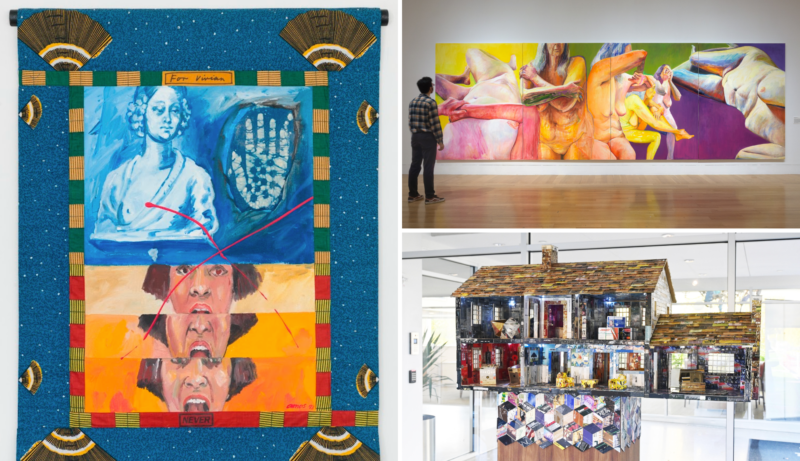
Join San Jose Museum of Art (SJMA) Oshman Executive Director Sayre Batton, and Senior Curator Lauren Schell Dickens, for a special in-person tour of Our whole, unruly selves, an exhibition that celebrates the boundlessness of human beings through an exploration of artistic figuration. After the tour, enjoy an outdoor catered lunch at SJMA’s El Cafecito. Afterwards, we will head down the street to Movimiento de Arte y Cultura Latino Americana (MACLA) for the closing weekend of Beyond the Diaspora. Maryela Perez, MACLA Curator and Program Manager, will lead us through this exhibition showcasing the African diaspora in Latinx culture through an exploration of both visual and performance art.
Admission:
- ArtTable Members – $35
- Members may bring a guest for an additional $45
Your ticket includes lunch at El Cafecito at SJMA and tours at both museums.
Not a member? Join today!
Please review before registering:
Covid-19 Guidelines
Please note that by registering for this event you consent to have your contact information shared with ArtTable to be used in the event that contact tracing is needed.
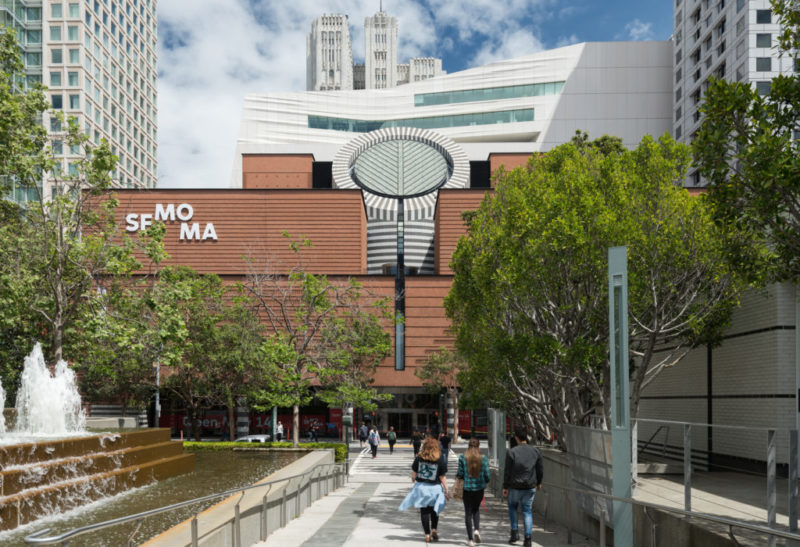
San Jose Museum of Art
- SJMA requires proof of full vaccination + booster shots for all eligible visitors—5 years and older, or proof of a negative test from a medical provider or laboratory within 72 hours of visiting the Museum.*Please note that being fully vaccinated means that the final dose of the visitor's vaccine was administered at least 14 days prior to the date of visit. A negative COVID-19 test must be from a medical provider or laboratory. Antigen Tests must be conducted within 24 hours; PCR tests must be conducted within 72 hours.
- Masks are required for all visitors 2 years of age and older. Following the CDC’s recommendations, SJMA suggests using an N95, KN95, KF94, surgical or cloth mask with at least 2–3 layers of fabric. Cloth masks with only one layer, bandanas, and neck gaiters are not permitted.
Accessibility
San Jose Museum of Art
General Information on Physical Access at SJMA
- Wheelchair accessible, with an elevator connecting all three floors. A wheelchair ramp lines the front of the building at the Admissions Front desk.
- Wheelchairs, seat canes (walking stick and cane), and strollers are available for loan at the information desk.
- Accessible restrooms are located on the lower level.
- The Museum does not have a parking facility; however, there is one accessible parking spot on Market Street, near the Museum’s main entrance. A disabled parking placard is required.
- Manual and motorized wheelchairs, walkers, canes, service animals on a leash, and other assistive devices are always permitted in the galleries.
- Benches are available in most galleries. Additionally, gallery stools are available for loan in the galleries. These portable, lightweight stools have a handle and can be easily carried throughout the galleries. Please request with a Museum Experience Rep gallery staff.
Services for Visitors who are Deaf
- Public gallery tours and lectures can be interpreted in American Sign Language (ASL) for deaf visitors and will be booked upon request. Please provide three weeks’ advance notice for this free service. Arrangements for signed tours can be made with the Education Program Coordinator by phone 408.291.5393 (voice) or email: [email protected].
Services for Visitors who are Blind or Visually Impaired
- Exhibition labels in large format print are available at the Admissions Front desk.
- Visual Aid Device/Tools (Magnifying glass) are available upon request.
Please email [email protected] to request additional accommodations.
Getting There & Parking
SJMA is located at 110 South Market Street, San José, CA.
Click here to get driving and public transportation directions and parking options.
MACLA is located at 510 South 1st Street, San Jose CA.
Click here to get driving and public transportation directions and parking options.

ArtTable is a 501.c.3 organization. All programs are non-refundable.
About the speakers
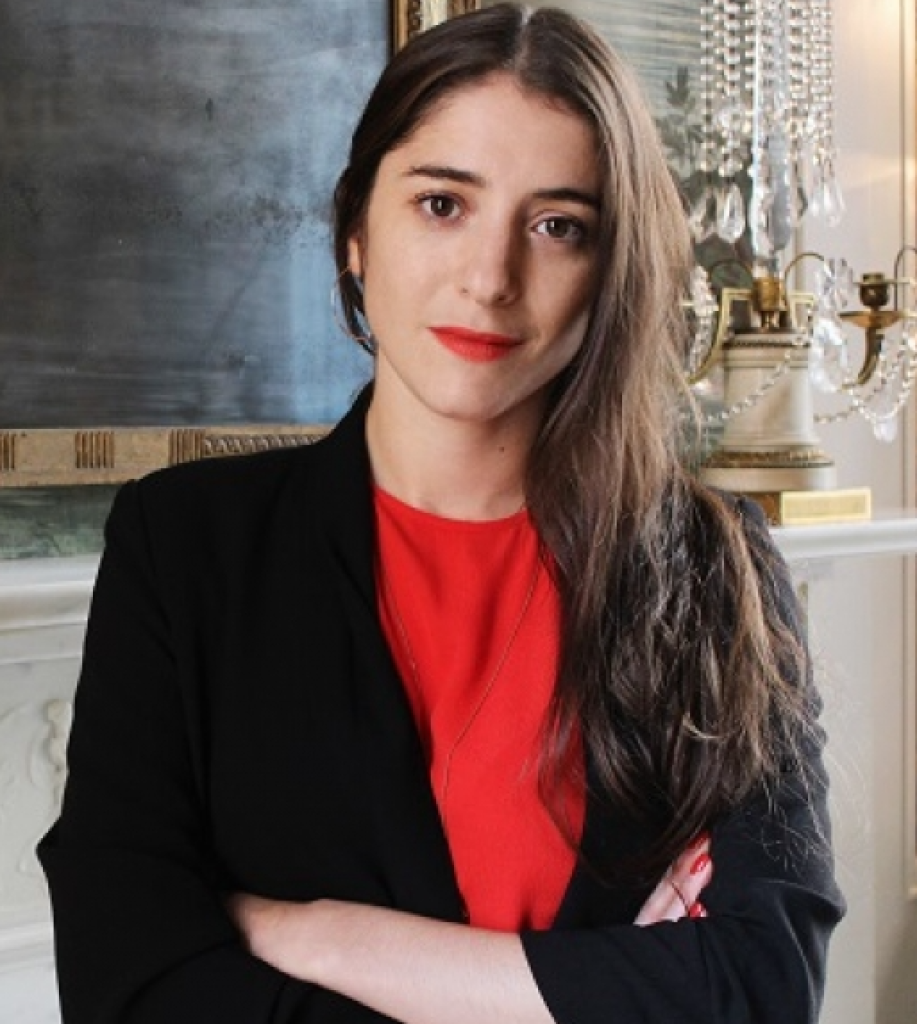
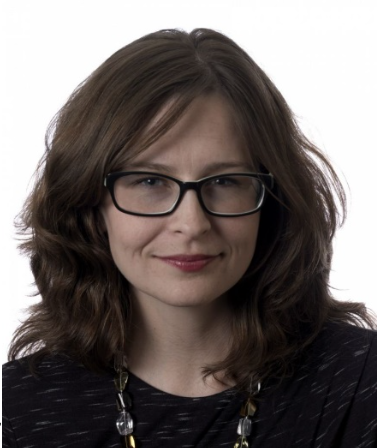
 Lauren Schell Dickens is Senior Curator at San Jose Museum of Art. Dickens has spearheaded several major exhibitions of note since joining SJMA in 2016, including With Drawn Arms: Glenn Kaino and Tommie Smith; Woody De Othello: Breathing Room, the Bay Area Artist’s first museum exhibition; Rina Batterjee: Make Me a Summary of the World; Undersoul: Jay DeFeo; and Diana Al-Hadid: Liquid City. Dickens holds a BA in American Studies from Yale University, New Haven, Connecticut, and an MA in Modern Art: Critical Studies from Columbia University, New York. She was born in San José and grew up in Sonoma County.
 Maryela Perez is Curator and Program Manager at MACLA. A practicing visual artist, curator and DJ, Maryela joined MACLA in 2019 as the Visual Arts Engagement Coordinator and serves as the lead for exhibitions and related programming. She earned a BA from UC Santa Cruz and is active in the local arts community. Maryela has 5 years of experience planning, organizing, and hosting local arts events in San Jose and curating visual and performing arts shows in the Greater San Francisco Bay Area.
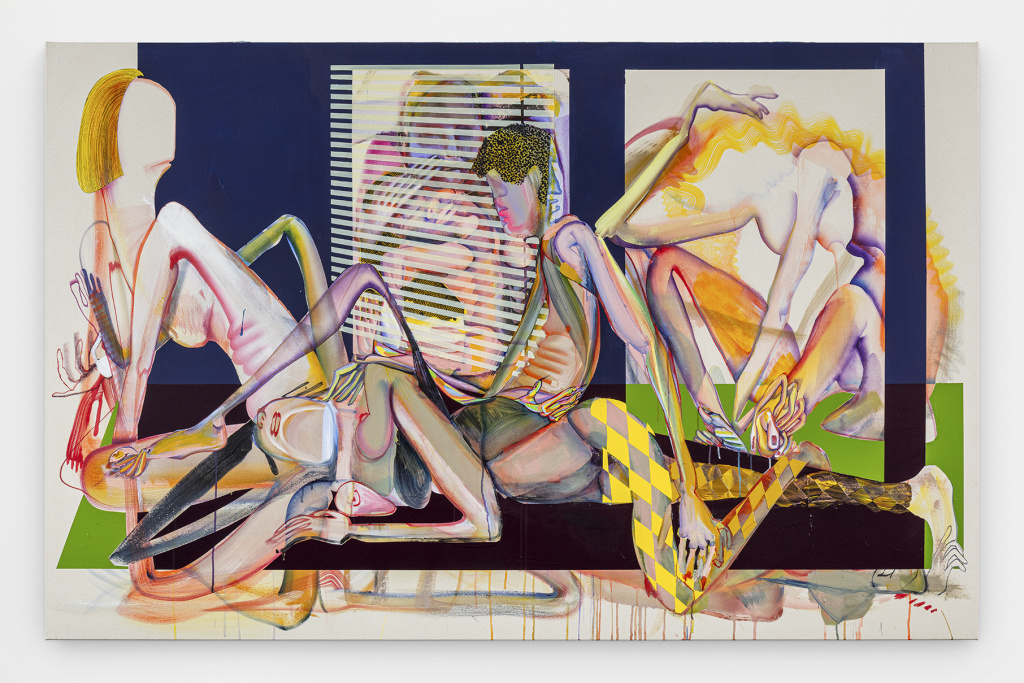
Images: Christina Quarles, I Think Yew’ve Made Yer Point Now, 2020. Acrylic on canvas, 55 × 86 × 2 inches. © Christina Quarles. Photography: Evan Bedford, courtesy of the artist, Hauser & Wirth, and Pilar Corrias, London; Headshot of Lauren Schell Dickens by Gary Sexton Photography
Thank you to ArtTable member Christa Cesario for organizing this program.
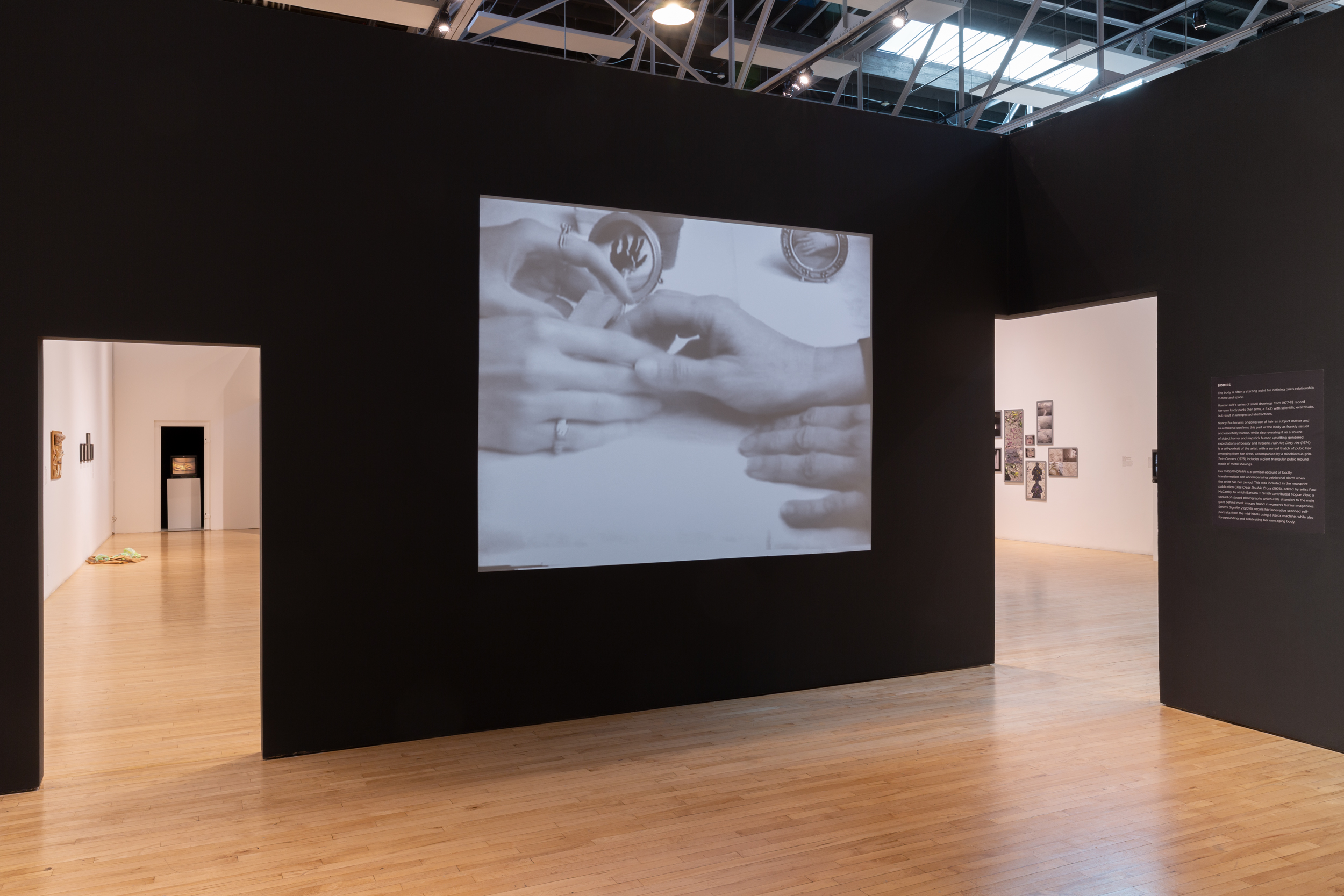
 Nancy Buchanan (b. 1946, Boston) is an artist whose work has been shown in exhibitions at the Museum of Modern Art, the New Museum of Contemporary Art, the Museum of Contemporary Art Los Angeles, the Centre Pompidou, the Getty Research Institute, and was included in four of the Getty-sponsored Pacific Standard Time exhibitions. She was the subject of a solo screening of her videotapes at REDCAT in 2013, and her videos have been included in group exhibitions including Agitprop at the Brooklyn Museum; RE-ACTION, a traveling exhibition originating in Spain; and Jonny at Insitu, Berlin. Buchanan is the recipient of four National Endowment for the Arts Individual Artist grants, a COLA grant, and a Rockefeller Fellowship in New Media. In 2016, she organized It’s Your Party, a durational performance at UC Irvine’s xMPL Theater as the second event in The Art of Performance. Beginning with her participation as a founding member of F Space Gallery in Costa Mesa, Buchanan has been involved in numerous artists’ groups including The Los Angeles Woman’s Building and Los Angeles Contemporary Exhibitions (LACE); she has also acted as curator for several exhibitions and projects. From 1988-2012, she taught in the Film/School at CalArts; she worked with community activist Michael Zinzun on his cable access show Message to the Grassroots for ten years and as a member of Zinzun’s LA 435 Committee; and she traveled to Namibia to produce a documentary about that country’s transition to independence from the Republic of South Africa. Buchanan lives and works in Los Angeles.

 Aimé Iglesias Lukin is an art historian and curator. Born in Buenos Aires, she received her PhD in art history from Rutgers University with a dissertation titled “This Must Be the Place: Latin American Artists in New York 1965–1975.” She completed her M.A. at The Institute of Fine Arts at New York University and her undergraduate studies in art history at the Universidad de Buenos Aires. Her research received grants from the Smithsonian American Art Museum, the Metropolitan Museum of Art, the Terra and Andrew W. Mellon Foundations, and the ICAA Peter C. Marzio Award from the Museum of Fine Arts, Houston. She curated exhibitions independently in museums and cultural centers and previously worked in the Modern and Contemporary Art Department of the Metropolitan Museum of Art, the Institute for Studies on Latin American Art, and Fundación PROA in Buenos Aires.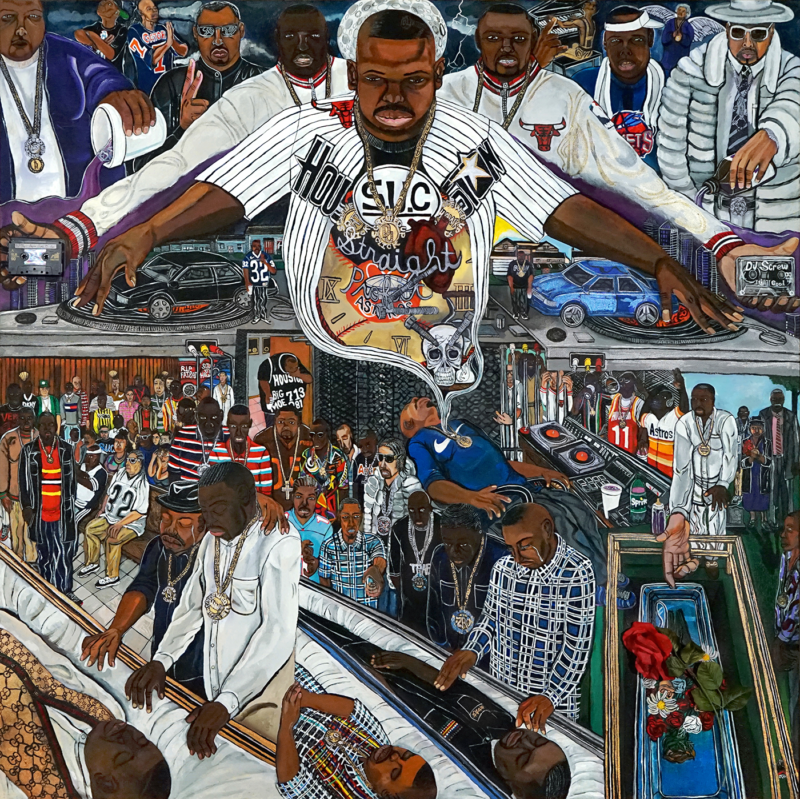
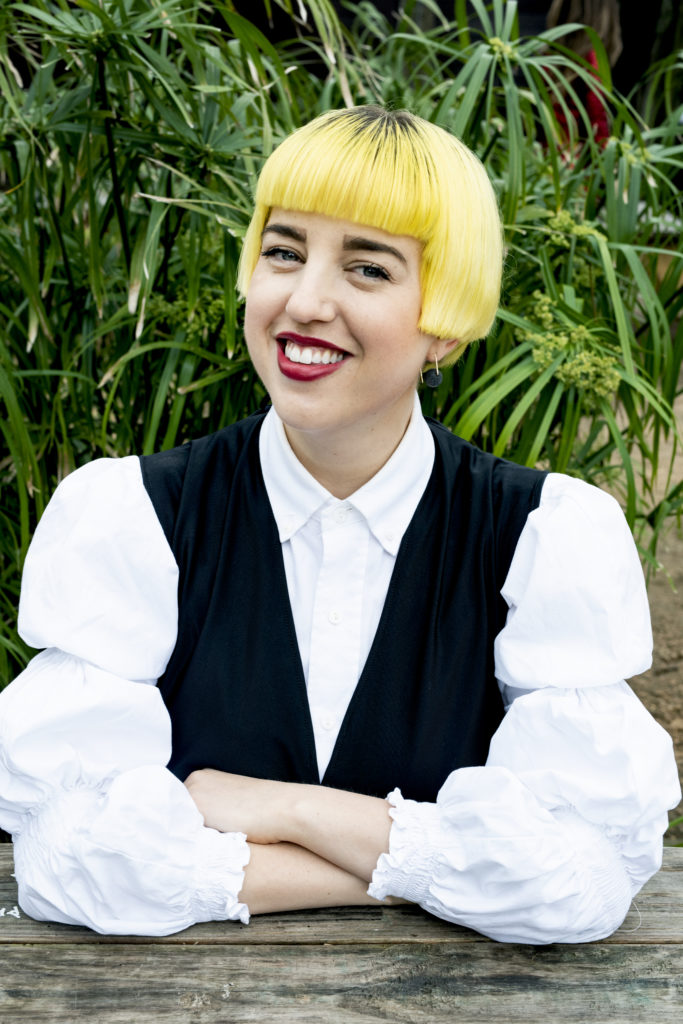 Patricia Restrepo is the Assistant Curator at Contemporary Arts Museum Houston (CAMH), where she has worked since 2014. Restrepo most recently co-curated Slowed and Throwed: Records of the City through Mutated Lenses, an interdisciplinary exhibition orbiting around DJ Screw’s process of material manipulation. She also curated Will Boone: The Highway Hex, which commissioned site-specific work and was the artist’s first solo exhibition, as well as Stage Environment: You Didn’t Have to Be There, a celebration of CAMH’s history of championing performance. Restrepo has managed and contributed to the institution’s publications and orchestrated their digitization to increase accessibility to the museum’s significant scholarship. Fostering exhibitions as laboratories, her curatorial interests include the generative potential latent in archives, museology, and performative work. Prior to CAMH, she worked at art institutions and publications in Mexico, Germany, the United States, and the United Kingdom. Restrepo holds a Master’s degree in Cultural Studies from Katholieke Universiteit Leuven, Belgium and Bachelor’s degrees from Rice University.
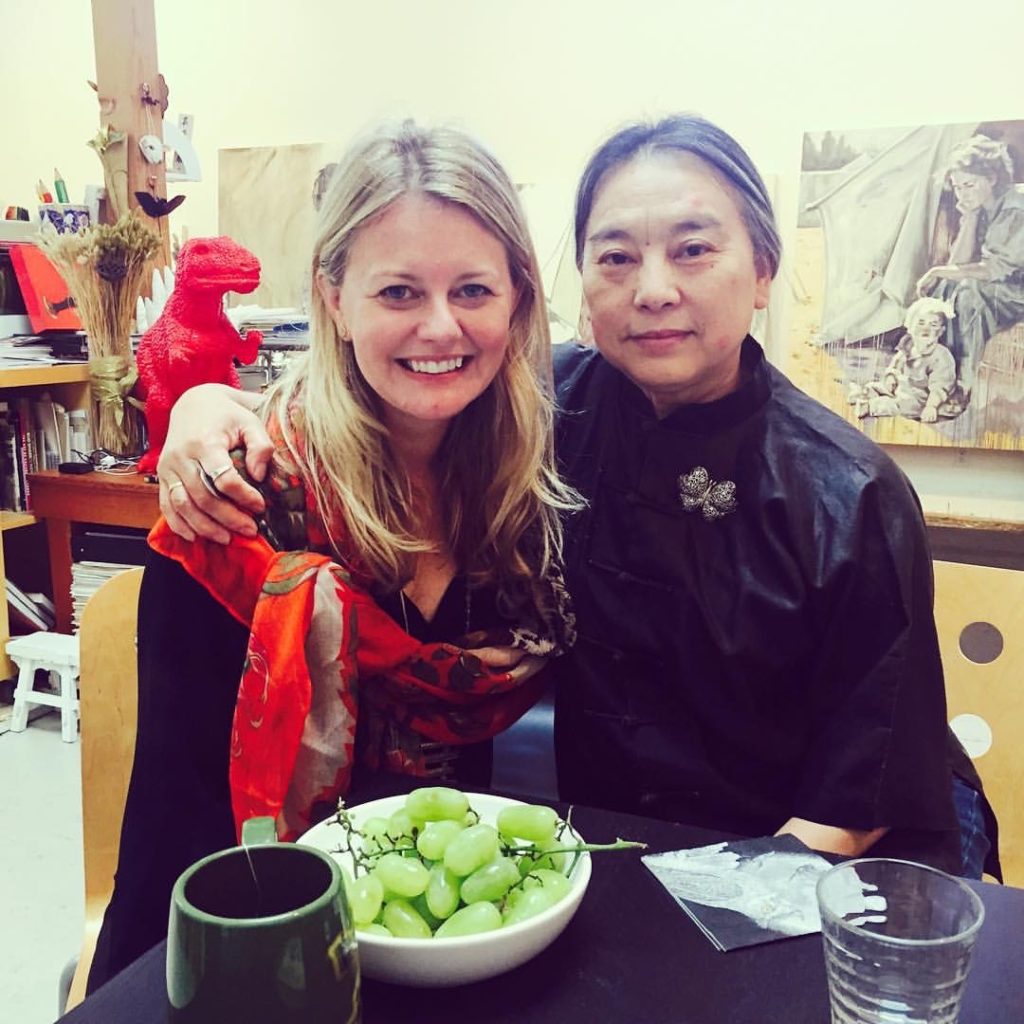 Dorothy Moss, PhD is a curator of painting and sculpture at the Smithsonian Institution’s National Portrait Gallery (NPG). Her recent projects include the exhibition and book Hung Liu: Portraits of Promised Lands (Yale University Press, 2021) and The Obama Portraits (Princeton University Press, 2020). In 2015, Moss initiated IDENTIFY, the NPG’s first performance art series featuring internally recognized artists, including Maria Magdalena Campos-Pons, James Luna, and Jeffrey Gibson. Her upcoming exhibitions are One Life: Maya Lin (September 2022) and Kinship, with curators Leslie Ureña, Robyn Asleson, and Taína Caragol (October 2022).
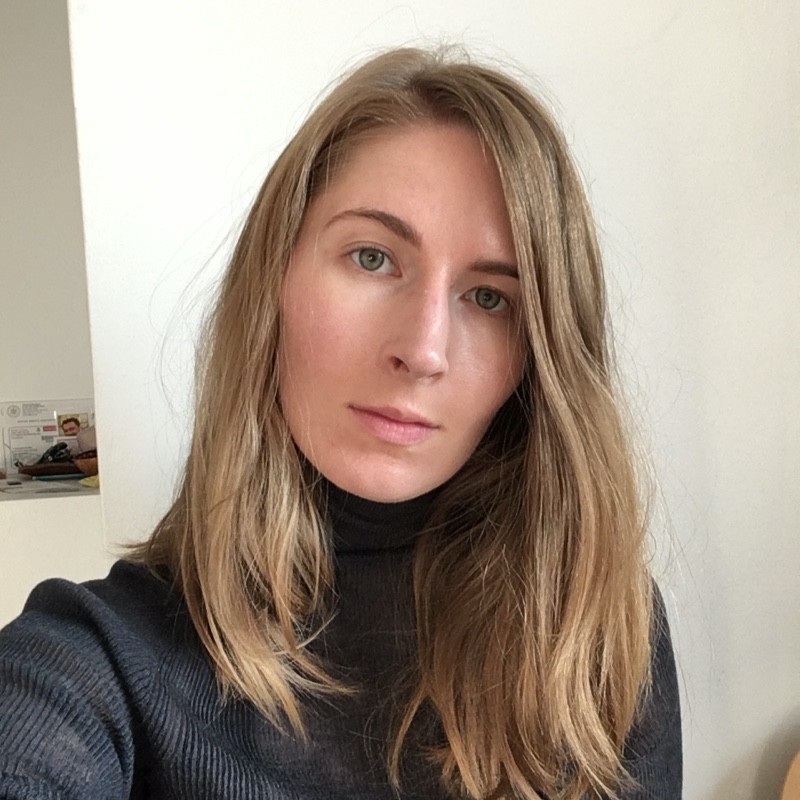 Jody Graf is a curator and writer based in New York. She is an Assistant Curator at MoMA PS1, where she has worked on exhibitions including Greater New York 2021; Niki de Saint Phalle: Structures for Life (2021); Marking Time: Art in the Age of Mass Incarceration (2020); Theater of Operations: The Gulf Wars 1991-2011 (2019); Simone Fattal: Works and Days (2019); and Sue Coe: Graphic Resistance (2018), among others. She curated the 2021 Parsons MFA Thesis show, and has worked as an independent curator on numerous projects. Her writing has been featured in publications including Texte Zur Kunst, Frieze, Mousse, CURA, and The Exhibitionist. She received her BA from the Gallatin School of Individualized Study at NYU, and her MA from the Center for Curatorial Studies, Bard College.
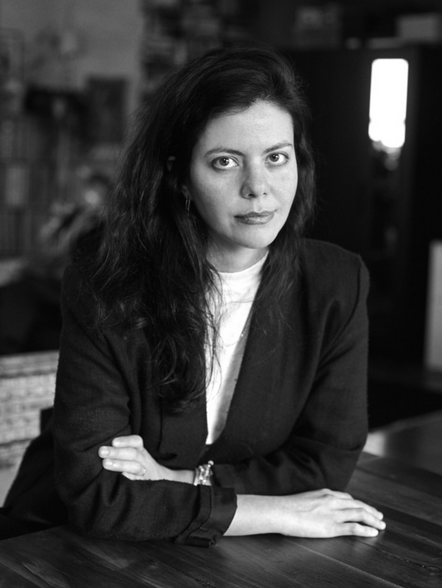 Ruba Katrib is Curator at MoMA PS1. At MoMA PS1 she has curated exhibitions such as Niki de Saint Phalle: Structures for Life (2021), Theater of Operations: The Gulf Wars 1991 – 2011 (2019) (co-curated with Peter Eleey), the retrospective of Simone Fattal in 2019, and the solo shows of Edgar Heap of Birds (2019), Karrabing Collective (2019), Fernando Palma Rodríguez, and Julia Phillips (2018). From 2012 – 2018 she was Curator at SculptureCenter in New York where she curated over twenty solo and group exhibitions, including solo shows of the work of Carissa Rodriguez (2018), Kelly Akashi, Sam Anderson, Teresa Burga, Nicola L., Charlotte Prodger (all 2017), Rochelle Goldberg, Aki Sasamoto, Cosima von Bonin (all 2016), Anthea Hamilton, Araya Rasdjarmrearnsook, Magali Reus, Gabriel Sierra, Michael E. Smith, Erika Verzutti (all 2015), David Douard, and Jumana Manna (both 2014). Previously, Katrib was the Associate Curator at the Museum of Contemporary Art North Miami from 2007 – 2012. Katrib was also co-founder of the residency and exhibition space Threewalls in Chicago, and has also held positions at the Renaissance Society and the Center for Curatorial Studies at Bard College, where she currently serves on the Graduate Committee. She was a research advisor for the 2018 Carnegie International and a member of the Advisory Board for Recess, a non-profit artist residency and exhibition space in New York. Katrib co-curated SITE Santa Fe’s 2018 biennial, Casa Tomada, along with José Luis Blondet and Candice Hopkins.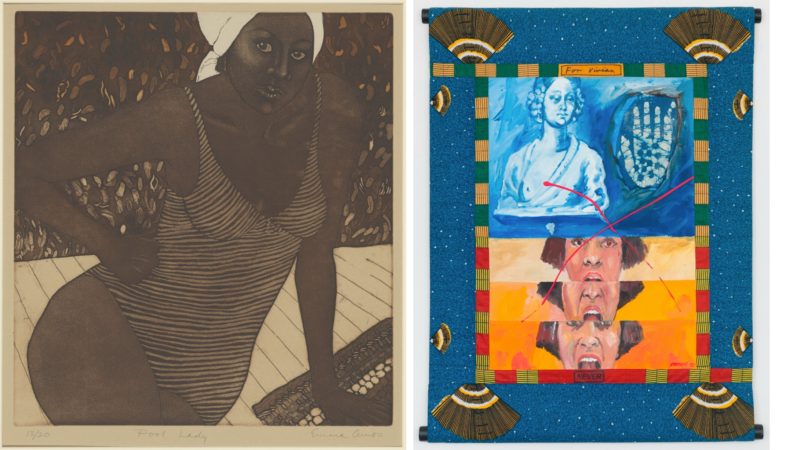
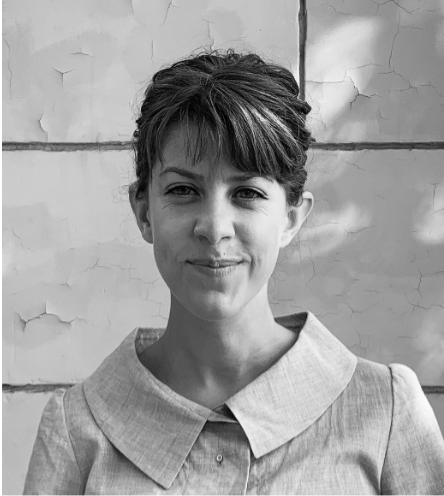 Laurel Garber is Park Family Assistant Curator of Prints and Drawings at the Philadelphia Museum of Art. She is the PMA’s curator of Emma Amos: Color Odyssey, organized by the Georgia Museum of Art. Laurel is also a PhD candidate at Northwestern University, where she is completing a dissertation on the social position of the printer in nineteenth-century France. Laurel has held positions and fellowships at the Art Institute of Chicago, Getty Museum, Clark Art Institute, and Courtauld Gallery. She received an MA at the Courtauld as well as a BA from Cornell University.
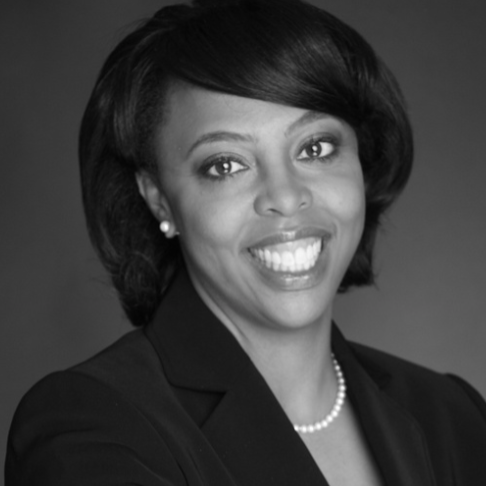 Shawnya L. Harris, Ph.D. is the organizing curator for Emma Amos: Color Odyssey, centering on the work of the late feminist artist Emma Amos (1937-2020). Harris is the Larry D. and Brenda A. Thompson Curator of African American and African Diasporic Art at the Georgia Museum of Art, University of Georgia. Recently, Harris has been a fellow at the Center for Curatorial Leadership. She earned her doctorate in art history from the University of North Carolina at Chapel Hill. She is also an alumna of Yale University.
 Jodi Throckmorton is the curator of contemporary art at the Pennsylvania Academy of the Fine Arts (PAFA) in Philadelphia. Before joining PAFA in fall 2014, she was curator of modern and contemporary art at the Ulrich Museum of Art at Wichita State University in Kansas. Prior to that, she was associate curator at the San Jose Museum of Art in California. She organized the exhibition and publications for Rina Banerjee: Make Me a Summary of the World (2018) with Lauren Dickens and Postdate: Photography and Inherited History in India (2015). Her other recent projects include Nick Cave: Rescue (2018), Paul Chan: Pillowsophia (2017), Melt/Carve/Forge: Embodied Sculptures by Cassils (2016), Alyson Shotz: Plane Weave (2016), Bruce Conner: Somebody Else’s Prints (2014), Questions from the Sky: New Work by Hung Liu (2013), Dive Deep: Eric Fischl and the Process of Painting (2013), Ranu Mukherjee: Telling Fortunes (2012), and This Kind of Bird Flies Backward: Paintings by Joan Brown (2011). The major retrospective, Joan Semmel: Skin in the Game is Throckmorton’s most recent exhibition and publication project.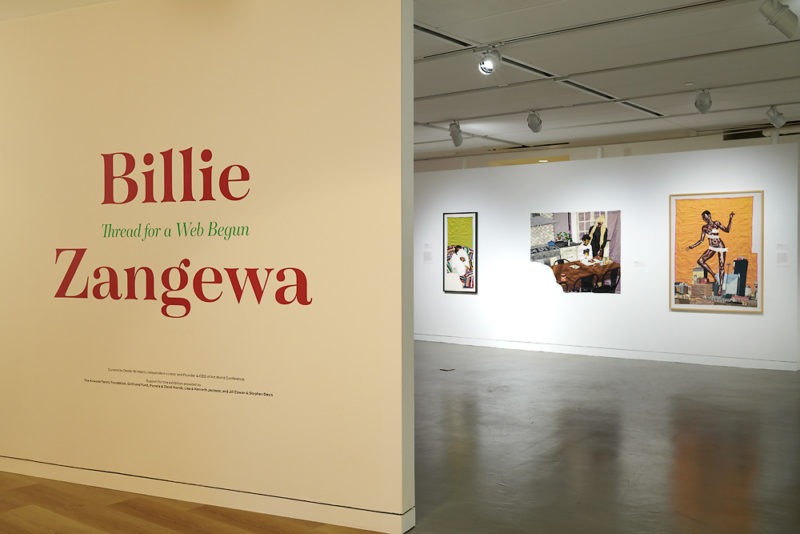
 ArtTable member and Philadelphia Chapter Co-Chair Rachel Zimmerman is the Artistic and Executive Director of InLiquid, as well as a photographer. Zimmerman founded InLiquid over 20 years ago to support the careers and creative efforts of visual artists in Philadelphia. Since its inception, InLiquid has had a significant impact on the arts community in Philadelphia and the surrounding region through their work with local artists, collectors, area businesses and institutions, including the City of Philadelphia. Rachel and InLiquid work with individual artists to create over 40 exhibits a year for both public and private spaces, help build corporate and personal collections, and collaborate with a cohort of arts leaders not only to restore the Philadelphia Cultural Fund and the Office of Arts and Culture and the Creative Economy but to make the arts a priority for the city.